Business Name: BeeHive Homes of Crownridge Assisted Living
Address: 6919 Camp Bullis Rd, San Antonio, TX 78256
Phone: (210) 874-5996
BeeHive Homes of Crownridge Assisted Living
We are a small, 16 bed, assisted living home. We are committed to helping our residents thrive in a caring, happy environment.
6919 Camp Bullis Rd, San Antonio, TX 78256
Business Hours
Monday thru Saturday: 9:00am to 5:00pm
Facebook: https://www.facebook.com/sweethoneybees
Instagram: https://www.instagram.com/sweethoneybees19/
Families rarely plan for Assisted Surviving on a calm Saturday morning with coffee and a notebook. The decision usually arrives after numerous smaller moments accumulate. An autumn in the shower room that takes hours to find. A fridge with bent greens and ran out yogurt. Medicines that look sorted, yet a couple of pills are missing. If you have actually been pushing around the question of assisted living for a parent, you currently know the silent weight it carries. You desire your enjoyed one secure and comfortable. You additionally intend to respect the life memory care they built, their regimens, the means they like their tea or watch the 5 p.m. news. Good Senior Treatment maintains both in view.
I have actually visited well over a hundred neighborhoods and rested with households at more cooking area tables than I can count. The contours modification from one person to another, but 3 benefits show up repeatedly when Helped Living is done well: safety and security, socializing, and day‑to‑day assistance. Those pillars do not erase pain or worry, yet they create a framework where older adults can reclaim stability and, commonly sufficient, a sense of joy.
What Assisted Living Truly Offers - and What It Does n'thtmlplcehlder 6end. Assisted Living is a domestic setting that offers help with day-to-day activities such as bathing, clothing, drug administration, and meal preparation. It rests in between independent elderly real estate and experienced nursing. Staff are onsite 24 hr, yet residents reside in personal apartments or suites, not medical facility spaces. Consider it as a safety net woven into ordinary life.  This happy medium matters. Individuals do not move in due to the fact that they are ill in the scientific feeling. They move in due to the fact that the day-to-day frictions of living alone start to compromise security and quality of life. A little girl from Seattle told me her dad made use of to be thorough, yet after his stroke she discovered costs in weird heaps and a shed frying pan in the sink. He stood up to the concept of help until a small cooking area fire discouraged him. In Helped Living, we established him up with induction cooktops and monitored dish prep throughout the day, then a complete dinner in the dining-room. He kept his self-reliance, yet the scaffolding around him changed. Assisted Living does not provide continual medical care like a severe medical facility ward. A registered nurse may be onsite or on call, yet ventilators, complex wound care, and round‑the‑clock clinical tracking usually fall under proficient nursing centers. If an area markets Memory Care, which supports citizens with Alzheimer's and various other mental deteriorations, that is generally a safe wing or a committed program with experienced team. It is still not the same as a locked psychiatric unit or a medical floor. The key is honesty about range. Request for the solution matrix, not simply the pamphlet. Good Elder Care is built on fit: the right degree helpful at the appropriate time. Safety without the Healthcare facility Feel
When safety ends up being fragile, everything else frays. Families commonly describe an expanding worry of the phone buzzing late at night. Loss, medication errors, kitchen problems, wandering, dehydration - none of these problems are new, but seclusion amplifies them.
Modern Helped Living neighborhoods approach safety and security with layered, inconspicuous approaches. Apartments typically have step‑in showers with grab bars, bar deals with, and non‑slip floor covering. Corridors are broad. Illumination is brighter than in many homes, with less shadow pockets that perplex deepness understanding. A local can push a wearable phone call pendant or a wall surface button to sharp team. Numerous communities now provide discreet movement sensing units that alert team if someone has actually stagnated for an unusual stretch of time, like after a washroom check out. Families in some cases are afraid that this technology changes human treatment, yet the most reliable programs use it as a punctual for a knock on the door, not as an alternative for eyes and conversation.
Medication monitoring deserves unique focus. In your home, also organized people misinterpreted labels or miss out on doses, particularly with vision modifications or moderate cognitive disability. In Aided Living, team log each dosage and expect negative reactions. One local I dealt with took 8 drugs at various times. After relocating, we settled routines with her doctor so she had two med passes daily. Side effects dropped off and her power returned. That type of tiny adjustment seldom occurs in a vacuum cleaner at home.
Fire security likewise enhances. Stovetops in resident apartment or condos are commonly electrical or induction, and many areas add automated shutoffs. Lawn sprinklers are typical. Staff are drilled on discharge methods. It is the sort of facilities you do not think of till the most awful takes place, and after that you are thankful it exists.
The method is maintaining safety and security from seeming like security. Residents are adults. They need selections. The very best groups make use of language that respects freedom. Not, "You are not allowed to cook," yet, "Let us establish you up for success in the kitchen so you can enjoy it safely."
Socialization that Seems like Actual Life
Loneliness is not fixed by bingo alone. I have seen vibrant activity calendars that never ignite and moderate programs that transform a community since the culture invites engagement. The goal is not constant excitement. It is meaningful connection at a rate that fits the person.
A retired educator may illuminate when asked to lead a verse circle. A previous accounting professional may take pleasure in handling the minor cash money for the resident shop. One gent I fulfilled had actually been a machinist. He discovered objective in the upkeep store, helping the group label tools and kind hardware. He started eating far better and sleeping much better as soon as he really felt beneficial again.
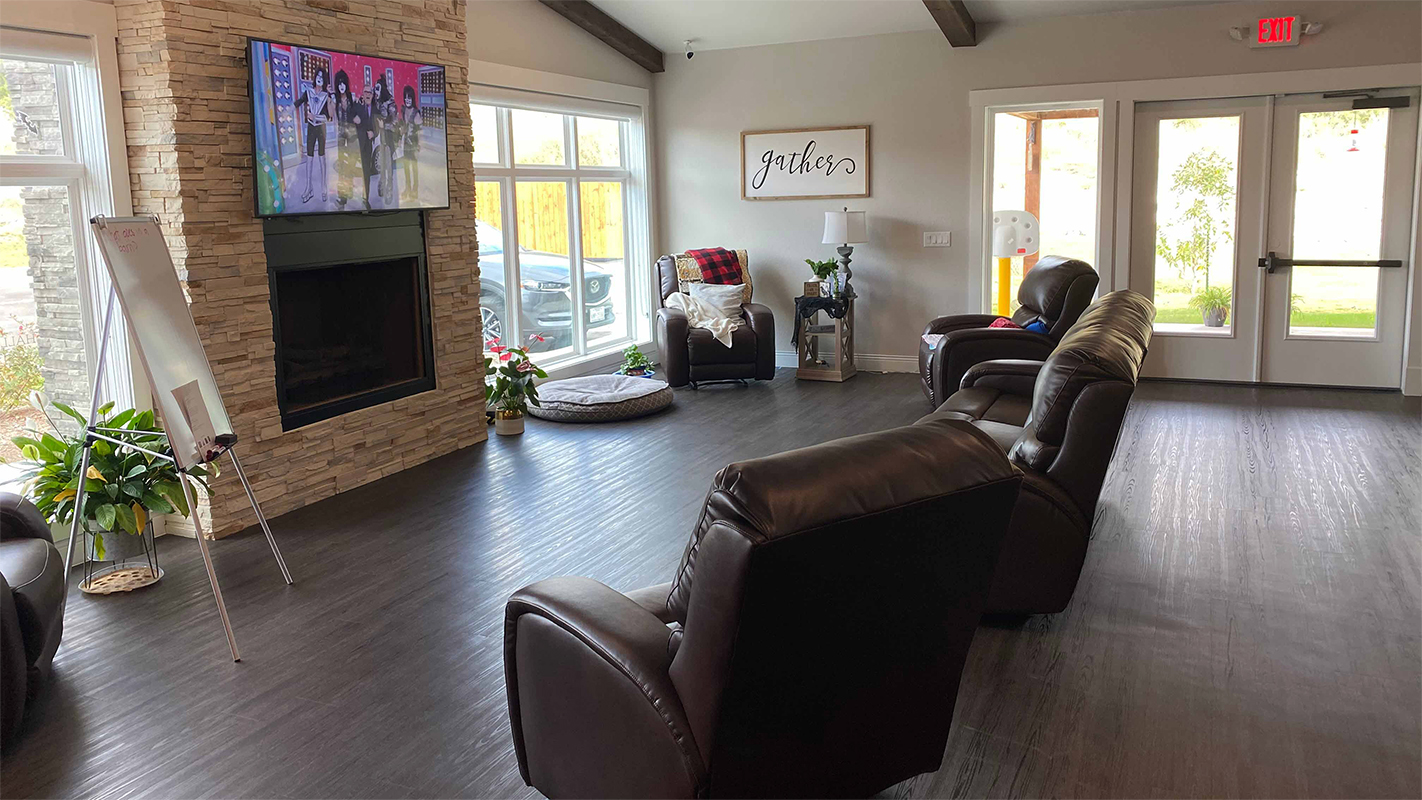
Meals do a lot of quiet job below. 3 common meals each day produce supports. Also residents that miss morning stretch class will certainly commonly appear for lunch, which opens space for friendships. Dining staff often tend to see that is missing out on and can nudge carefully. Option issues too. Seek menus with options, not just the day-to-day special. If your mom is diabetic, ask just how the kitchen takes care of carbohydrate matters and desserts.
Look carefully at transportation. Areas that run trusted shuttle bus to regional occasions, libraries, or faith services maintain citizens linked into the community past their front door. Confidence leaders that see, publication clubs that consist of homeowners from the community, teens volunteering after institution - these bridges matter. They inform residents they continue to be component of a larger world.
For residents who require Memory Care, socialization looks different yet is no less important. Programs often tend to prefer smaller groups, much shorter sessions, and multi‑sensory activities: music from their young people, cooking bread for the odor and texture, folding towels to satisfy the hands. The objective is comfort and link, not testing memory. When a community obtains this right, anxiousness decreases. I have actually watched a woman with mid‑stage mental deterioration hum along to a Sinatra document, after that grab her husband's hand with a quality he had not seen in months.
Daily Support That Brings back Power Rather Than Draining Pipes It
At home, the tasks of life take in even more energy than they should. A shower can feel like an expedition. Washing accumulate. The vehicle battery dies, or the snow shovel is much heavier than last year. Each task draws from the exact same limited swimming pool, and by dinner there is absolutely nothing left for a walk or a conversation with a friend.
Assisted Living redistributes that fill. Personnel take care of the hefty training: home cleaning, bed linens, maintenance, well balanced meals, and the rhythm of personal care. A resident might still choose to make tea or fold washing, however it ends up being optional, not obligatory. Households frequently discover that their enjoyed one appears extra like themselves after a few weeks. That is not magic. It is the lack of constant micro‑stress.
There are useful success, too. Showering support suggests less skin concerns. Prompt podiatry and dental gos to stop larger illness. A maintenance team that alters a light bulb the same day keeps minor threats from becoming drops. Transportation to consultations suggests fewer cancellations and far better follow‑through on treatment. When these supports secure with each other, health supports. Individuals get ill much less usually. And when health problem comes, recuperation tends to be smoother.
How Memory Care Fits - and When It's the Better Path
Not every parent who struggles with memory requires a secured Memory Care program. Mild forgetfulness does not immediately call for a secured door. The line tends to revolve around safety and security and stress and anxiety. If a person wanders, confuses night and day, or becomes anxious in open hallways, Memory Care can minimize risk while bring back calm.
The atmosphere varies in refined methods. Passages loophole back to typical locations rather than dead‑end. Shadow boxes outside apartments showcase pictures and small objects that assist with acknowledgment. Team obtain training in dementia interaction and redirection. Activities are shorter, quieter, and based in everyday rhythms: establishing a table, sprinkling plants, folding clothing. These are not infantilizing jobs. They fulfill the mind where it is and supply success without pressure. Households typically report less dilemmas and more moments of connection, which is the genuine metric.
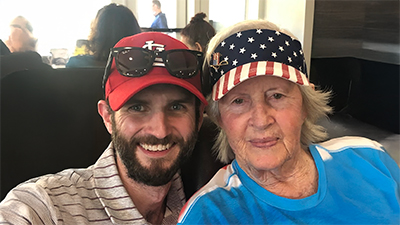
A child once informed me he resisted Memory Care for months because it felt like quiting. After a straying episode that ended with cops and a frightened next-door neighbor, he agreed to tour. His mom moved into a small Memory Care community that scented like cinnamon. Personnel welcomed her by name. The door had a mural that appeared like a bookshelf, and she stopped attempting to go past it. Two weeks later, he said, "We have supper now. We speak about her garden. She is not terrified all the time." That is what you try to find when weighing memory take care of moms and dads: fewer emergency situations, more peace.
The Financial Picture, Explained Straight
Cost is a genuine restriction. Households really feel guilty admitting it, yet it belongs in the conversation early. Aided Living is commonly priced in two components: a base rent for the house, dishes, housekeeping, and activities, plus a care level fee based upon the aid needed. In many regions, regular monthly expenses vary from roughly 3,500 to 7,500 bucks for Assisted Living. Memory Care frequently runs higher, regularly 5,000 to 9,000 bucks, due to the fact that staffing ratios are various and shows is specialized. Urban centers and high cost‑of‑living locations can surpass these ranges.
Medicare does not pay for room and board. It may cover skilled services such as physical treatment. Long‑term care insurance policy can balance out expenses if a policy exists. Veterans and enduring spouses must ask about VA Help and Attendance. Some states provide Medicaid waivers that aid pay for Assisted Living or Memory Care, however eligibility rules differ by state and often involve waitlists. Families who possess a home commonly market it to money care or consider a bridge loan during the sales procedure. A candid yet usual strategy is to choose a neighborhood that accepts private pay for a set duration, then allows Medicaid conversion when funds diminish. Ask the executive director just how that functions before authorizing anything.
I recommend developing a simple budget plan that covers three years at present care demands, then adding a buffer. People live longer than they anticipate. Requirements tend to boost slowly. Clarity is kinder than surprise.
Quality Differences You Can See on a Tour
Brochures mix with each other. Tidy structures and grinning stock pictures tell you absolutely nothing. When I tour, I expect lived‑in information. Team that welcome residents by name without eying a chart. Supervisors that recognize the day's food selection and the task schedule without looking. An upkeep person that quits to deal with an unsteady chair as opposed to walking previous it.
Smells issue. A faint scent from lunch is typical. A consistent odor in a hallway is not. Pay attention for laughter and regular discussion during the mid-day, frequently the lulled hour when thin staffing programs. Glance right into the task room without being led there. Are locals engaged or do a few individuals participate while others sleep in wheelchairs along the wall surface? Consider the schedule posted and ask that in fact went to the last 3 events.
Ask just how the neighborhood deals with modification in condition. A local with an urinary system system infection can decline quickly. Do they have registered nurse evaluations on website? Do they coordinate with home health and wellness for short bursts of proficient assistance? Just how do they connect with families - phone, e-mail, a household portal?
The cooking area provides a home window into operations. Ask for an example meal. If the meal is baked chicken, ask whether there is a vegan alternative and exactly how they fit low‑sodium diets. Dietary adaptability prices time and money. Communities that do it constantly usually take the remainder of treatment seriously.
The Family Role Does Not Finish at Move‑In
Some households are afraid Helped Living will certainly change them. Excellent areas do the contrary. They try to make you a partner. The landscape of obligations changes, and for lots of people it becomes even more sustainable.
Your power actions from direct caregiving to campaigning for and presence. You turn up for dinner, not to scrub a washroom. You bring fresh fruit or your papa's favored cookies. You still track medical notes and goals. You still push for an optometry visit or ask nursing to watch a brand-new shake. If your sibling lives throughout the nation, provide a particular duty: bill monitoring, pharmacy refill oversight, or checking out quarterly with a clear agenda.
Expect some turbulence in the very first month. Regimens shift. Sleep can be irregular. Appetite might dip after that rebound. The staff and local are finding out each other. Keep a log of tiny observations and share them with the care team at the two‑week and thirty‑day check‑ins. These meetings exist for a factor. Usage them.
Handling Resistance with Respect
Resistance generally comes from anxiety. Loss of home, loss of control, loss of the familiar chair by the home window. Informing a person that Assisted Living is "for the best" is rarely influential by itself. Begin with the worry that keeps them up during the night, not yours. If your mommy bothers with falling, mount the conversation around shower assistance and fast assistance if she slides. If your daddy hates eating alone, speak about the morning meal crowd and the coffee they serve.
Trial remains help. Lots of communities offer furnished respite houses by the week. I have actually seen die‑hard doubters succumb to the early morning oatmeal and paper regimen, then determine to remain. Various other times, a respite discloses an inequality, which is useful also. Much better to examine and change than to compel a step that fails.
Family unity matters. When two brother or sisters argue in the lobby about whether Papa can stay at home, team pick up on the stress and everybody sheds focus. Hash out disputes before you tour. Determine that will be the primary get in touch with. Place a basic intend on paper and share it with the team.
Edge Situations and Trade‑Offs That Deserve Thought
Not every older adult thrives in a team setup. People with profound introversion might discover continuous distance testing. Search for layout with peaceful spaces, tiny dining rooms, or the option to eat in an apartment or condo periodically without stigma.
Pets can be a deal‑breaker. Numerous Assisted Living neighborhoods are pet‑friendly within weight limitations and with a care strategy if the resident can not take care of walks accurately. Be truthful about what is sustainable. An overlooked family pet creates tension for everyone.
Couples present intricacy. If one partner requires Memory Treatment and the various other does not, inquire about adjoining apartments, shared dish strategies, and how the healthy spouse can access the safeguarded community quickly. I have actually seen pairs prosper with a routine that includes breakfast with each other, separate task tracks mid‑day, after that a night stroll and dessert.
Cultural fit issues. Food customs, language, and religious technique form whether an area seems like home. Do not excuse trying to find a neighborhood where your moms and dad hears their language in the hallway or sees their holiday observed.
A Quick, Grounded List for Touring
- Ask about staffing proportions by change and exactly how often those ratios are met. Request a sample monthly invoice with base rental fee and current treatment level fees. Eat a meal in the dining room. Notice pacing and temperature of the food. Meet the registered nurse or wellness supervisor and ask how they manage an autumn at 2 a.m. Talk to 2 citizens and one relative without personnel hovering.
Why Family members Usually Desire They Had Actually Moved Sooner
I do not state this lightly. Individuals often inform me they waited 6 to twelve months too long. They wished to prevent a tough discussion, or they wished a few home adjustments would bring them through. By the time the move happened, a loss or a scare had trembled everyone, and the parent showed up depleted.
Moving earlier captures more excellent days. It allows your parent get in with strength, make good friends, discover the building, and set regimens before a crisis. It gives you time to construct count on with the personnel. The emotional lift can be actual. A man who once told me he would certainly "never ever deal with a lot of old individuals" began holding court at a bright edge table, exchanging sporting activities stories. He still claimed he missed his house. He likewise stated he really felt safer, and his little girl stopped checking her phone every hour.
Measuring Success After the Move
Success appears like steadiness. Fewer 911 phone calls. Weight in a healthier range. Clothing changed consistently without motivating from family members. A schedule with a few circled occasions that your parent really participates in. Discussions that meander, not always concerning health problems or irritations. Giggling that appears in tiny moments. Not perfection, not a return to 55, but a life that really feels lived instead of endured.
If that is not happening after a fair modification duration, speak out. Sometimes a various assistant, a new medication routine, or an area closer to the dining-room moves the entire picture. Occasionally the fit is wrong and one more area would certainly offer much better. Great Senior Citizen Care is not fixed. It advances with the person.
The Profits for Households Taking Into Consideration Assisted Living for a Parent
Assisted Living, at its best, secures security without surrounding self-reliance. It changes isolation with manageable community. It takes the grind out of daily life so energy can recede to connections, routines, and small enjoyments that make days worth living. Memory Treatment adds a layer for those whose minds require a gentler, safeguarded environment and staff learnt dementia treatment. None of these setups get rid of the complexity of aging. They do, however, widen the margin permanently days.
If you are weighing options, begin with a clear view of demands, a convenient budget plan, and a picture of what an excellent day need to appear like for your parent. Excursion with intent. Ask unpleasant inquiries. Bring your parent right into the process as much as dignity enables. After that select a community that offers safety with regard, socializing with option, and support that feels like collaboration. That is the heart of Senior Care worth having.
BeeHive Homes of Crownridge Assisted Living has license number of 307787
BeeHive Homes of Crownridge Assisted Living is located at 6919 Camp Bullis Road, San Antonio, TX 78256
BeeHive Homes of Crownridge Assisted Living has capacity of 16 residents
BeeHive Homes of Crownridge Assisted Living offers private rooms
BeeHive Homes of Crownridge Assisted Living includes private bathrooms with ADA-compliant showers
BeeHive Homes of Crownridge Assisted Living provides 24/7 caregiver support
BeeHive Homes of Crownridge Assisted Living provides medication management
BeeHive Homes of Crownridge Assisted Living serves home-cooked meals daily
BeeHive Homes of Crownridge Assisted Living offers housekeeping services
BeeHive Homes of Crownridge Assisted Living offers laundry services
BeeHive Homes of Crownridge Assisted Living provides life-enrichment activities
BeeHive Homes of Crownridge Assisted Living is described as a homelike residential environment
BeeHive Homes of Crownridge Assisted Living supports seniors seeking independence
BeeHive Homes of Crownridge Assisted Living accommodates residents with early memory-loss needs
BeeHive Homes of Crownridge Assisted Living does not use a locked-facility memory-care model
BeeHive Homes of Crownridge Assisted Living partners with Senior Care Associates for veteran benefit assistance
BeeHive Homes of Crownridge Assisted Living provides a calming and consistent environment
BeeHive Homes of Crownridge Assisted Living serves the communities of Crownridge, Leon Springs, Fair Oaks Ranch, Dominion, Boerne, Helotes, Shavano Park, and Stone Oak
BeeHive Homes of Crownridge Assisted Living is described by families as feeling like home
BeeHive Homes of Crownridge Assisted Living offers all-inclusive pricing with no hidden fees
BeeHive Homes of Crownridge Assisted Living has a phone number of (210) 874-5996
BeeHive Homes of Crownridge Assisted Living has an address of 6919 Camp Bullis Rd, San Antonio, TX 78256
BeeHive Homes of Crownridge Assisted Living has a website https://beehivehomes.com/locations/san-antonio/
BeeHive Homes of Crownridge Assisted Living has Google Maps listing https://maps.app.goo.gl/YBAZ5KBQHmGznG5E6
BeeHive Homes of Crownridge Assisted Living has Facebook page https://www.facebook.com/sweethoneybees
BeeHive Homes of Crownridge Assisted Living has Instagram https://www.instagram.com/sweethoneybees19
BeeHive Homes of Crownridge Assisted Living won Top Assisted Living Homes 2025
BeeHive Homes of Crownridge Assisted Living earned Best Customer Service Award 2024
BeeHive Homes of Crownridge Assisted Living placed 1st for Senior Living Communities 2025
People Also Ask about BeeHive Homes of Crownridge Assisted Living
What is BeeHive Homes of Crownridge Assisted Living monthly room rate?
Our monthly rate depends on the level of care your loved one needs. We begin by meeting with each prospective resident and their family to ensure we’re a good fit. If we believe we can meet their needs, our nurse completes a full head-to-toe assessment and develops a personalized care plan. The current monthly rate for room, meals, and basic care is $5,900. For those needing a higher level of care, including memory support, the monthly rate is $6,500. There are no hidden costs or surprise fees. What you see is what you pay.
Can residents stay in BeeHive Homes of Crownridge Assisted Living until the end of their life?
Usually yes. There are exceptions such as when there are safety issues with the resident or they need 24 hour skilled nursing services.
Does BeeHive Homes of Crownridge Assisted Living have a nurse on staff?
Yes. Our nurse is on-site as often as is needed and is available 24/7.
What are BeeHive Homes of Crownridge Assisted Living visiting hours?
Normal visiting hours are from 10am to 7pm. These hours can be adjusted to accommodate the needs of our residents and their immediate families.
Do we have couple’s rooms available?
At BeeHive Homes of Crownridge Assisted Living, all of our rooms are only licensed for single occupancy but we are able to offer adjacent rooms for couples when available. Please call to inquire about availability.
What is the State Long-term Care Ombudsman Program?
A long-term care ombudsman helps residents of a nursing facility and residents of an assisted living facility resolve complaints. Help provided by an ombudsman is confidential and free of charge. To speak with an ombudsman, a person may call the local Area Agency on Aging of Bexar County at 1-210-362-5236 or Statewide at the toll-free number 1-800-252-2412. You can also visit online at https://apps.hhs.texas.gov/news_info/ombudsman.
Are all residents from San Antonio?
BeeHive Homes of Crownridge Assisted Living provides options for aging seniors and peace of mind for their families in the San Antonio area and its neighboring cities and towns. Our senior care home is located in the beautiful Texas Hill Country community of Crownridge in Northwest San Antonio, offering caring, comfortable and convenient assisted living solutions for the area. Residents come from a variety of locales in and around San Antonio, including those interested in Leon Springs Assisted Living, Fair Oaks Ranch Assisted Living, Helotes Assisted Living, Shavano Park Assisted Living, The Dominion Assisted Living, Boerne Assisted Living, and Stone Oaks Assisted Living.
Where is BeeHive Homes of Crownridge Assisted Living located?
BeeHive Homes of Crownridge Assisted Living is conveniently located at 6919 Camp Bullis Rd, San Antonio, TX 78256. You can easily find directions on Google Maps or call at (210) 874-5996 Monday through Sunday 9am to 5pm.
How can I contact BeeHive Homes of Crownridge Assisted Living?
You can contact BeeHive Homes of Crownridge Assisted Living by phone at: (210) 874-5996, visit their website at https://beehivehomes.com/locations/san-antonio, or connect on social media via Facebook or Instagram
Take a scenic drive to Historic Market Square El Mercado only about 29 minutes away from our Beehive Homes of Crownridge Assisted Living