Business Name: BeeHive Homes of Crownridge Assisted Living
Address: 6919 Camp Bullis Rd, San Antonio, TX 78256
Phone: (210) 874-5996
BeeHive Homes of Crownridge Assisted Living
We are a small, 16 bed, assisted living home. We are committed to helping our residents thrive in a caring, happy environment.
6919 Camp Bullis Rd, San Antonio, TX 78256
Business Hours
Monday thru Saturday: 9:00am to 5:00pm
Facebook: https://www.facebook.com/sweethoneybees
Instagram: https://www.instagram.com/sweethoneybees19/
Families seldom arrive at memory care after a single conversation. It's generally a journey of little modifications that collect into something indisputable: range knobs left on, missed medications, a loved one roaming at sunset, names escaping regularly than they return. I have sat with children who brought a grocery list from their dad's pocket that read just "milk, milk, milk," and with spouses who still set two coffee mugs on the counter out of practice. When a move into memory care ends up being required, the concerns that follow are useful and immediate. How do we keep Mom safe without compromising her self-respect? How can Dad feel at home if he hardly recognizes home? What does a great day look like when memory is undependable?
The best memory care neighborhoods I've seen answer those questions with a mix of science, design, and heart. Innovation here doesn't start with devices. It begins with a cautious look at how individuals with dementia perceive the world, then works backwards to remove friction and worry. Technology and clinical practice have actually moved quickly in the last years, however the test remains old-fashioned: does the individual at the center feel calmer, much safer, more themselves?
What security really means in memory care
Safety in memory care is not a fence or a locked door. Those tools exist, but they are the last line of defense, not the first. True security shows up in a resident who no longer tries to leave since the hallway feels inviting and purposeful. It appears in a staffing design that avoids agitation before it starts. It appears in regimens that fit the resident, not the other way around.
I walked into one assisted living community that had transformed a seldom-used lounge into an indoor "porch," total with a painted horizon line, a rail at waist height, a potting bench, and a radio that played weather forecasts on loop. Mr. K had actually been pacing and trying to leave around 3 p.m. every day. He 'd spent thirty years as a mail carrier and felt obliged to walk his path at that hour. After the patio appeared, he 'd bring letters from the activity staff to "sort" at the bench, hum along to the radio, and stay in that space for half an hour. Roaming dropped, falls dropped, and he began sleeping better. Nothing high tech, just insight and design.
Environments that assist without restricting
Behavior in dementia typically follows the environment's hints. If a corridor dead-ends at a blank wall, some homeowners grow agitated or attempt doors that lead outside. If a dining room is intense and loud, hunger suffers. Designers have actually discovered to choreograph areas so they push the ideal behavior.
- Wayfinding that works: Color contrast and repetition assistance. I've seen spaces organized by color styles, and doorframes painted to stand out against walls. Locals learn, even with memory loss, that "I'm in the blue wing." Shadow boxes next to doors holding a couple of personal objects, like a fishing lure or church publication, give a sense of identity and place without depending on numbers. The trick is to keep visual mess low. Too many indications complete and get ignored. Lighting that appreciates the body clock: Individuals with dementia are delicate to light shifts. Circadian lighting, which brightens with a cool tone in the morning and warms in the evening, steadies sleep, decreases sundowning behaviors, and enhances state of mind. The neighborhoods that do this well pair lighting with regimen: a mild early morning playlist, breakfast aromas, personnel greeting rounds by name. Light by itself helps, however light plus a predictable cadence helps more. Flooring that prevents "cliffs": High-gloss floorings that reflect ceiling lights can look like puddles. Bold patterns read as actions or holes, leading to freezing or shuffling. Matte, even-toned floor covering, usually wood-look vinyl for toughness and hygiene, minimizes falls by getting rid of optical illusions. Care teams notice fewer "hesitation actions" once floorings are changed. Safe outside access: A safe garden with looped paths, benches every 40 to 60 feet, and clear sightlines offers residents a location to walk off extra energy. Provide approval to move, and many safety concerns fade. One senior living school published a small board in the garden with "Today in the garden: three purple tomatoes on the vine" as a conversation starter. Little things anchor people in the moment.
Technology that vanishes into everyday life
Families often become aware of sensors and wearables and image a security network. The best tools feel practically invisible, serving staff instead of disruptive homeowners. You don't require a device for whatever. You require the right data at the ideal time.
- Passive safety sensors: Bed and chair sensing units can notify caregivers if somebody stands all of a sudden at night, which assists prevent falls on the method to the restroom. Door sensors that ping quietly at the nurses' station, rather than blasting, minimize startle and keep the environment calm. In some communities, discreet ankle or wrist tags open automated doors only for staff; residents move easily within their neighborhood but can not exit to riskier areas. Medication management with guardrails: Electronic medication cabinets designate drawers to citizens and need barcode scanning before a dose. This cuts down on med errors, specifically throughout shift changes. The innovation isn't the hardware, it's the workflow: nurses can batch their med passes at predictable times, and notifies go to one device instead of 5. Less balancing, fewer mistakes. Simple, resident-friendly user interfaces: Tablets loaded with just a handful of big, high-contrast buttons can cue music, household video messages, or preferred pictures. I encourage families to send out brief videos in the resident's language, preferably under one minute, identified with the person's name. The point is not to teach brand-new tech, it's to make moments of connection easy. Devices that require menus or logins tend to gather dust. Location awareness with respect: Some communities use real-time location systems to discover a resident quickly if they are nervous or to track time in movement for care planning. The ethical line is clear: use the data to customize support and prevent damage, not to micromanage. When staff know Ms. L strolls a quarter mile before lunch most days, they can prepare a garden circuit with her and bring water rather than redirecting her back to a chair.
Staff training that alters outcomes
No gadget or style can replace a caretaker who understands dementia. In memory care, training is not a policy binder. It is muscle memory, practiced language, and shared concepts that personnel can lean on throughout a difficult shift.
Techniques like the Favorable Method to Care teach caregivers to approach from the front, at eye level, with a hand provided for a greeting before attempting care. It sounds little. It is not. I've enjoyed bath refusals vaporize when a caretaker decreases, goes into the resident's visual field, and starts with, "Mrs. H, I'm Jane. May I assist you warm your hands?" The nerve system hears respect, not urgency. Behavior follows.
The neighborhoods that keep staff turnover below 25 percent do a few things in a different way. They construct consistent assignments so homeowners see the very same caregivers day after day, they buy coaching on the flooring instead of one-time classroom training, and they give staff autonomy to swap tasks in the minute. If Mr. D is finest with one caretaker for shaving and another for socks, the group bends. That protects security in manner ins which don't appear on a purchase list.
Dining as a day-to-day therapy
Nutrition is a safety problem. Weight loss raises fall threat, weakens resistance, and clouds believing. Individuals with cognitive problems frequently lose the series for consuming. They might forget to cut food, stall on utensil usage, or get sidetracked by noise. A couple of useful developments make a difference.
Colored dishware with strong contrast assists food stand apart. In one research study, homeowners with innovative dementia ate more when served on red plates compared to white. Weighted utensils and cups with covers and large handles make up for trembling. Finger foods like omelet strips, veggie sticks, and sandwich quarters are not childish if plated with care. They bring back independence. A chef who comprehends texture modification can make minced food look appetizing rather than institutional. I frequently ask to taste the pureed entree during a tour. If it is seasoned and provided with shape and color, it tells me the cooking area appreciates the residents.
Hydration requires structure too. Water stations at eye level, cups with straws, and a "sip with me" practice where personnel model drinking during rounds can raise fluid consumption without nagging. I've seen neighborhoods track fluid by time of day and shift focus to the afternoon hours when intake dips. Fewer urinary tract infections follow, which indicates fewer delirium episodes and fewer unneeded health center transfers.
Rethinking activities as purposeful engagement
Activities are not time fillers. They are the architecture of a resident's day. The word "activities" conjures bingo and sing-alongs, both fine in their location. The goal is function, not entertainment.
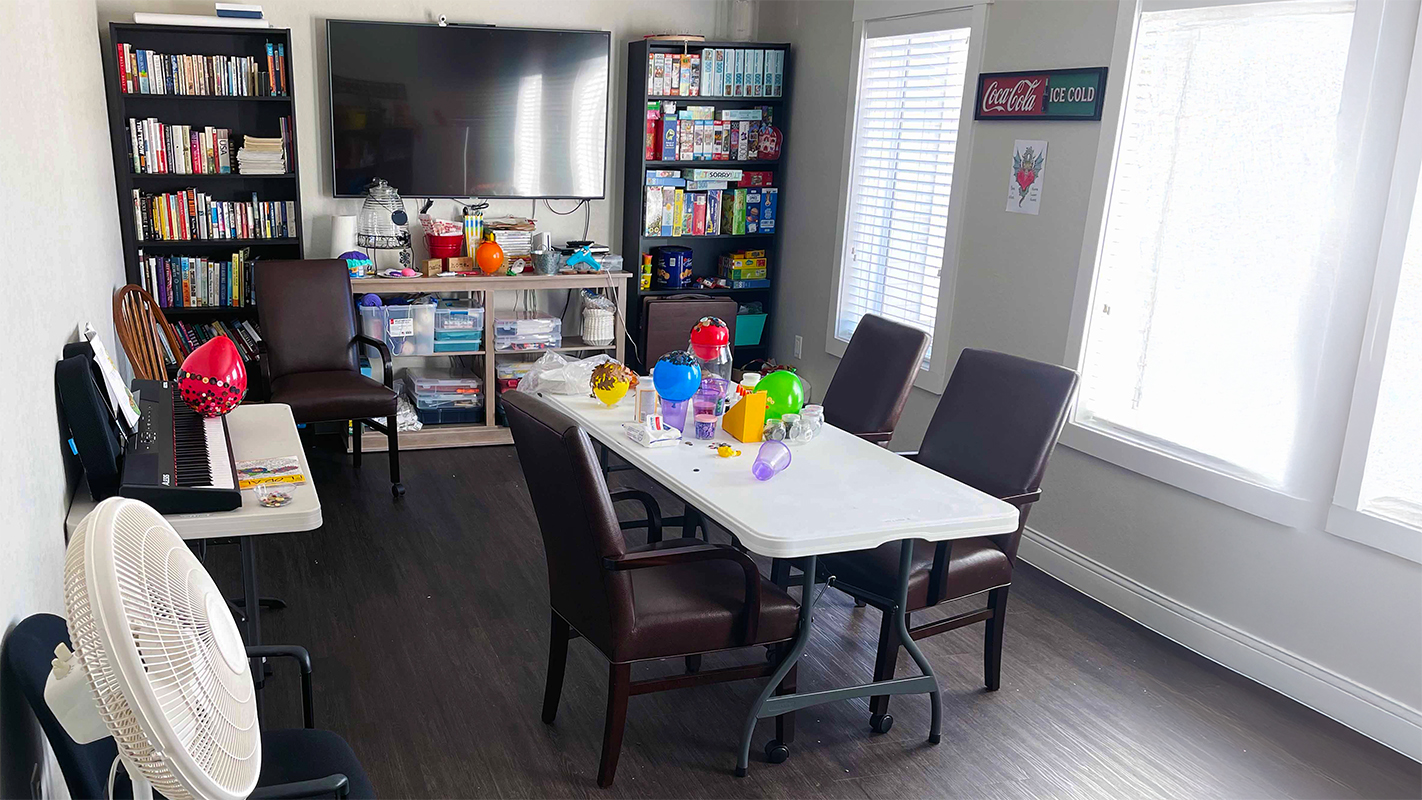
A retired mechanic may calm when handed a box of tidy nuts and bolts to sort by size. A former instructor may react to a circle reading hour where personnel invite her to "help out" by naming the page numbers. Aromatherapy baking sessions, using pre-measured cookie dough, turn a complicated kitchen area into a safe sensory experience. Folding laundry, setting napkins, watering plants, or pairing socks restore rhythms of adult life. The best programs provide numerous entry points for different capabilities and attention spans, without any pity for deciding out.
For homeowners with sophisticated illness, engagement may be twenty minutes of hand massage with odorless cream and quiet music. I understood a male, late phase, who had actually been a church organist. A staff member discovered a little electric keyboard with a few predetermined hymns. She positioned his hands on the keys and pressed the "demonstration" gently. His posture altered. He might not remember his kids's names, however his fingers moved in time. That is therapy.
Family collaboration, not visitor status
Memory care works best when families are dealt with as partners. They understand the loose threads that tug their loved one toward stress and anxiety, and they know the stories that can reorient. Consumption forms help, but they never catch the whole person. Excellent groups invite households to teach.
Ask for a "life story" huddle throughout the first week. Bring a couple of pictures and a couple assisted living of products with texture or weight that mean something: a smooth stone from a preferred beach, a badge from a profession, a headscarf. Personnel can utilize these throughout agitated minutes. Set up visits at times that match your loved one's finest energy. Early afternoon may be calmer than evening. Short, regular visits usually beat marathon hours.
Respite care is an underused bridge in this procedure. A short stay, frequently a week or two, provides the resident a possibility to sample regimens and the household a breather. I've seen households rotate respite remains every few months to keep relationships strong in your home while preparing for a more long-term relocation. The resident benefits from a predictable group and environment when crises occur, and the staff already know the person's patterns.
Balancing autonomy and protection
There are trade-offs in every precaution. Secure doors prevent elopement, but they can produce a caught feeling if residents face them all the time. GPS tags find someone quicker after an exit, but they also raise personal privacy questions. Video in typical areas supports occurrence review and training, yet, if used thoughtlessly, it can tilt a community toward policing.
Here is how knowledgeable groups browse:
- Make the least limiting option that still prevents harm. A looped garden course beats a locked outdoor patio when possible. A disguised service door, painted to blend with the wall, welcomes less fixation than a noticeable keypad. Test changes with a little group initially. If the brand-new evening lighting schedule lowers agitation for 3 residents over two weeks, expand. If not, adjust. Communicate the "why." When families and staff share the rationale for a policy, compliance enhances. "We utilize chair alarms just for the first week after a fall, then we reassess" is a clear expectation that safeguards dignity.
Staffing ratios and what they actually tell you
Families often ask for difficult numbers. The reality: ratios matter, however they can misinform. A ratio of one caretaker to 7 citizens looks excellent on paper, but if 2 of those homeowners need two-person helps and one is on hospice, the efficient ratio modifications in a hurry.
Better concerns to ask throughout a tour consist of:
- How do you staff for meals and bathing times when requires spike? Who covers breaks? How frequently do you use momentary firm staff? What is your annual turnover for caregivers and nurses? How many homeowners require two-person transfers? When a resident has a behavior change, who is called first and what is the typical action time?
Listen for specifics. A well-run memory care community will inform you, for instance, that they include a float aide from 4 to 8 p.m. three days a week because that is when sundowning peaks, or that the nurse does "med pass plus ten touchpoints" in the early morning to identify problems early. Those information reveal a living staffing strategy, not just a schedule.
Managing medical complexity without losing the person
People with dementia still get the exact same medical conditions as everyone else. Diabetes, cardiovascular disease, arthritis, COPD. The complexity climbs up when signs can not be described plainly. Discomfort may show up as restlessness. A urinary tract infection can look like abrupt hostility. Assisted by attentive nursing and great relationships with primary care and hospice, memory care can capture these early.
In practice, this looks like a standard habits map throughout the first month, noting sleep patterns, appetite, mobility, and social interest. Variances from baseline trigger a simple waterfall: inspect vitals, examine hydration, check for irregularity and discomfort, think about transmittable causes, then escalate. Families ought to belong to these choices. Some choose to avoid hospitalization for innovative dementia, preferring comfort-focused methods in the community. Others go with complete medical workups. Clear advance instructions steer staff and minimize crisis hesitation.
Medication evaluation deserves unique attention. It prevails to see anticholinergic drugs, which aggravate confusion, still on a med list long after they must have been retired. A quarterly pharmacist evaluation, with authority to advise tapering high-risk drugs, is a peaceful development with outsized effect. Less medications frequently equals less falls and much better cognition.
The economics you should plan for
The monetary side is rarely easy. Memory care within assisted living generally costs more than traditional senior living. Rates differ by region, but households can expect a base monthly charge and additional charges tied to a level of care scale. As requirements increase, so do charges. Respite care is billed in a different way, often at a day-to-day rate that includes furnished lodging.
Long-term care insurance, veterans' advantages, and Medicaid waivers may offset costs, though each comes with eligibility requirements and documents that demands persistence. The most honest communities will present you to a benefits organizer early and draw up most likely cost ranges over the next year rather than pricing quote a single attractive number. Request a sample invoice, anonymized, that shows how add-ons appear. Transparency is a development too.
Transitions done well
Moves, even for the much better, can be disconcerting. A couple of strategies smooth the course:
- Pack light, and bring familiar bed linen and 3 to 5 valued products. A lot of brand-new objects overwhelm. Create a "first-day card" for personnel with pronunciation of the resident's name, preferred nicknames, and 2 comforts that work dependably, like tea with honey or a warm washcloth for hands. Visit at different times the very first week to see patterns. Coordinate with the care group to prevent duplicating stimulation when the resident needs rest.
The initially 2 weeks often include a wobble. It's regular to see sleep disturbances or a sharper edge of confusion as regimens reset. Competent teams will have a step-down strategy: extra check-ins, little group activities, and, if necessary, a short-term as-needed medication with a clear end date. The arc usually bends toward stability by week four.
What innovation looks like from the inside
When development is successful in memory care, it feels typical in the best sense. The day streams. Citizens move, eat, snooze, and socialize in a rhythm that fits their capabilities. Staff have time to observe. Households see less crises and more ordinary minutes: Dad taking pleasure in soup, not simply withstanding lunch. A little library of successes accumulates.
At a neighborhood I consulted for, the group started tracking "moments of calm" rather of just events. Each time a team member defused a tense circumstance with a particular strategy, they composed a two-sentence note. After a month, they had 87 notes. Patterns emerged: hand-under-hand help, providing a job before a demand, entering light rather than shadow for a technique. They trained to those patterns. Agitation reports visited a third. No brand-new device, simply disciplined learning from what worked.
When home remains the plan
Not every household is all set or able to move into a devoted memory care setting. Numerous do heroic work at home, with or without in-home caretakers. Innovations that apply in neighborhoods often equate home with a little adaptation.
- Simplify the environment: Clear sightlines, eliminate mirrored surfaces if they trigger distress, keep sidewalks broad, and label cabinets with pictures instead of words. Motion-activated nightlights can avoid restroom falls. Create purpose stations: A small basket with towels to fold, a drawer with safe tools to sort, a picture album on the coffee table, a bird feeder outside a regularly used chair. These minimize idle time that can develop into anxiety. Build a respite plan: Even if you don't use respite care today, understand which senior care neighborhoods use it, what the lead time is, and what documents they need. Arrange a day program two times a week if available. Tiredness is the caretaker's opponent. Routine breaks keep families intact. Align medical support: Ask your medical care service provider to chart a dementia medical diagnosis, even if it feels heavy. It unlocks home health benefits, treatment recommendations, and, ultimately, hospice when suitable. Bring a written behavior log to visits. Specifics drive much better guidance.
Measuring what matters
To decide if a memory care program is genuinely boosting safety and comfort, look beyond marketing. Spend time in the area, preferably unannounced. Enjoy the rate at 6:30 p.m. Listen for names used, not pet terms. Notification whether locals are engaged or parked. Ask about their last three hospital transfers and what they learned from them. Take a look at the calendar, then look at the space. Does the life you see match the life on paper?
Families are stabilizing hope and realism. It's reasonable to ask for both. The pledge of memory care is not to erase loss. It is to cushion it with skill, to create an environment where threat is managed and convenience is cultivated, and to honor the individual whose history runs much deeper than the illness that now clouds it. When development serves that guarantee, it does not call attention to itself. It just makes room for more excellent hours in a day.
A quick, practical checklist for families touring memory care
- Observe 2 meal services and ask how personnel assistance those who consume gradually or require cueing. Ask how they embellish regimens for previous night owls or early risers. Review their approach to roaming: prevention, innovation, personnel action, and data use. Request training describes and how frequently refreshers occur on the floor. Verify choices for respite care and how they coordinate shifts if a short stay becomes long term.
Memory care, assisted living, and other senior living models keep evolving. The communities that lead are less enamored with novelty than with outcomes. They pilot, measure, and keep what helps. They pair scientific standards with the warmth of a household kitchen. They respect that elderly care is intimate work, and they invite households to co-author the plan. In the end, development looks like a resident who smiles more often, naps safely, walks with function, eats with hunger, and feels, even in flashes, at home.
BeeHive Homes of Crownridge Assisted Living has license number of 307787
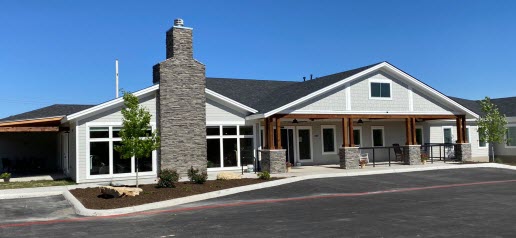
BeeHive Homes of Crownridge Assisted Living is located at 6919 Camp Bullis Road, San Antonio, TX 78256
BeeHive Homes of Crownridge Assisted Living has capacity of 16 residents
BeeHive Homes of Crownridge Assisted Living offers private rooms
BeeHive Homes of Crownridge Assisted Living includes private bathrooms with ADA-compliant showers
BeeHive Homes of Crownridge Assisted Living provides 24/7 caregiver support
BeeHive Homes of Crownridge Assisted Living provides medication management
BeeHive Homes of Crownridge Assisted Living serves home-cooked meals daily
BeeHive Homes of Crownridge Assisted Living offers housekeeping services
BeeHive Homes of Crownridge Assisted Living offers laundry services
BeeHive Homes of Crownridge Assisted Living provides life-enrichment activities
BeeHive Homes of Crownridge Assisted Living is described as a homelike residential environment
BeeHive Homes of Crownridge Assisted Living supports seniors seeking independence
BeeHive Homes of Crownridge Assisted Living accommodates residents with early memory-loss needs
BeeHive Homes of Crownridge Assisted Living does not use a locked-facility memory-care model
BeeHive Homes of Crownridge Assisted Living partners with Senior Care Associates for veteran benefit assistance
BeeHive Homes of Crownridge Assisted Living provides a calming and consistent environment
BeeHive Homes of Crownridge Assisted Living serves the communities of Crownridge, Leon Springs, Fair Oaks Ranch, Dominion, Boerne, Helotes, Shavano Park, and Stone Oak
BeeHive Homes of Crownridge Assisted Living is described by families as feeling like home
BeeHive Homes of Crownridge Assisted Living offers all-inclusive pricing with no hidden fees
BeeHive Homes of Crownridge Assisted Living has a phone number of (210) 874-5996
BeeHive Homes of Crownridge Assisted Living has an address of 6919 Camp Bullis Rd, San Antonio, TX 78256
BeeHive Homes of Crownridge Assisted Living has a website https://beehivehomes.com/locations/san-antonio/
BeeHive Homes of Crownridge Assisted Living has Google Maps listing https://maps.app.goo.gl/YBAZ5KBQHmGznG5E6
BeeHive Homes of Crownridge Assisted Living has Facebook page https://www.facebook.com/sweethoneybees
BeeHive Homes of Crownridge Assisted Living has Instagram https://www.instagram.com/sweethoneybees19
BeeHive Homes of Crownridge Assisted Living won Top Assisted Living Homes 2025
BeeHive Homes of Crownridge Assisted Living earned Best Customer Service Award 2024
BeeHive Homes of Crownridge Assisted Living placed 1st for Senior Living Communities 2025
People Also Ask about BeeHive Homes of Crownridge Assisted Living
What is BeeHive Homes of Crownridge Assisted Living monthly room rate?
Our monthly rate depends on the level of care your loved one needs. We begin by meeting with each prospective resident and their family to ensure we’re a good fit. If we believe we can meet their needs, our nurse completes a full head-to-toe assessment and develops a personalized care plan. The current monthly rate for room, meals, and basic care is $5,900. For those needing a higher level of care, including memory support, the monthly rate is $6,500. There are no hidden costs or surprise fees. What you see is what you pay.
Can residents stay in BeeHive Homes of Crownridge Assisted Living until the end of their life?
Usually yes. There are exceptions such as when there are safety issues with the resident or they need 24 hour skilled nursing services.
Does BeeHive Homes of Crownridge Assisted Living have a nurse on staff?
Yes. Our nurse is on-site as often as is needed and is available 24/7.
What are BeeHive Homes of Crownridge Assisted Living visiting hours?
Normal visiting hours are from 10am to 7pm. These hours can be adjusted to accommodate the needs of our residents and their immediate families.
Do we have couple’s rooms available?
At BeeHive Homes of Crownridge Assisted Living, all of our rooms are only licensed for single occupancy but we are able to offer adjacent rooms for couples when available. Please call to inquire about availability.
What is the State Long-term Care Ombudsman Program?
A long-term care ombudsman helps residents of a nursing facility and residents of an assisted living facility resolve complaints. Help provided by an ombudsman is confidential and free of charge. To speak with an ombudsman, a person may call the local Area Agency on Aging of Bexar County at 1-210-362-5236 or Statewide at the toll-free number 1-800-252-2412. You can also visit online at https://apps.hhs.texas.gov/news_info/ombudsman.
Are all residents from San Antonio?
BeeHive Homes of Crownridge Assisted Living provides options for aging seniors and peace of mind for their families in the San Antonio area and its neighboring cities and towns. Our senior care home is located in the beautiful Texas Hill Country community of Crownridge in Northwest San Antonio, offering caring, comfortable and convenient assisted living solutions for the area. Residents come from a variety of locales in and around San Antonio, including those interested in Leon Springs Assisted Living, Fair Oaks Ranch Assisted Living, Helotes Assisted Living, Shavano Park Assisted Living, The Dominion Assisted Living, Boerne Assisted Living, and Stone Oaks Assisted Living.
Where is BeeHive Homes of Crownridge Assisted Living located?
BeeHive Homes of Crownridge Assisted Living is conveniently located at 6919 Camp Bullis Rd, San Antonio, TX 78256. You can easily find directions on Google Maps or call at (210) 874-5996 Monday through Sunday 9am to 5pm.
How can I contact BeeHive Homes of Crownridge Assisted Living?
You can contact BeeHive Homes of Crownridge Assisted Living by phone at: (210) 874-5996, visit their website at https://beehivehomes.com/locations/san-antonio/,or connect on social media via Facebook or Instagram
Looking for fun shopping close to our home base? We are located near The Rim a great shopping mall area.